omni instruments | sensors and data acquisition equipment
Edit Content

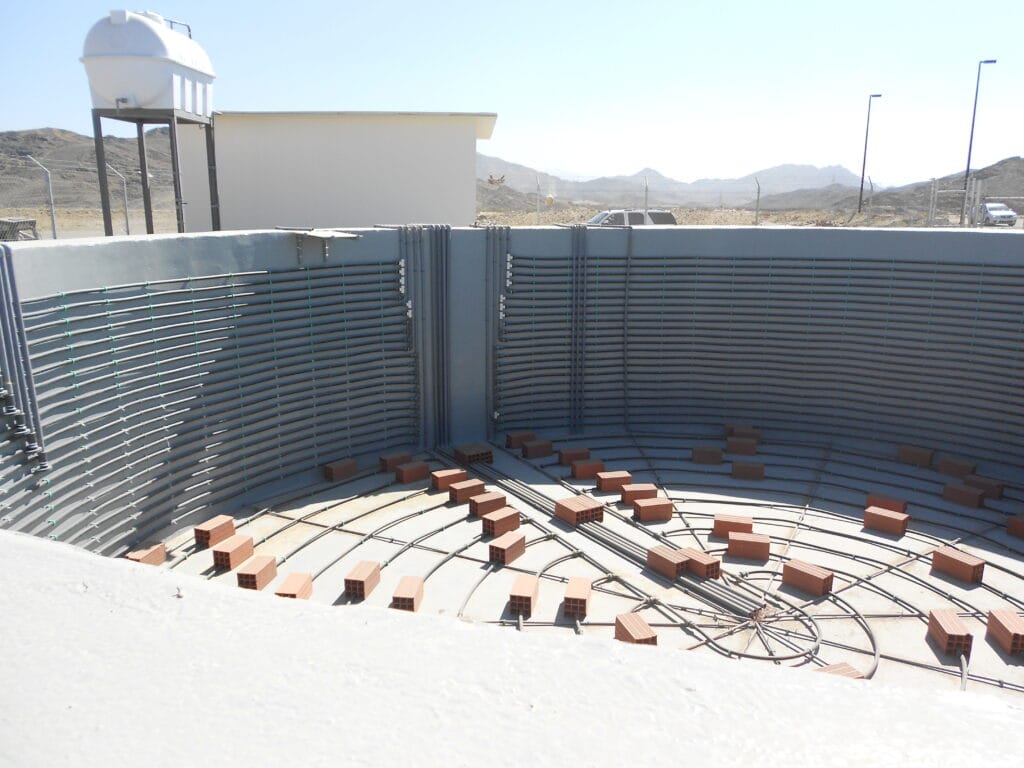
Omni Instruments partnered with Glasgow University to deliver a sophisticated temperature monitoring system for an innovative solar pond project situated in Mecca, Saudi Arabia. This crucial initiative, spearheaded by researchers within the Faculty of Mathematical Sciences at Umm Al-Qura University and generously funded by the Science and Technology Unit of the Kingdom of Saudi Arabia, aimed to meticulously map the temperature gradients within the solar pond’s concentrated brine solution. The success of solar ponds as sustainable energy collectors hinges on their ability to establish and maintain distinct temperature layers, trapping solar energy for later use. Accurate and continuous temperature monitoring is therefore paramount to understanding the pond’s efficiency and optimizing its design for practical applications.
Understanding Solar Ponds:
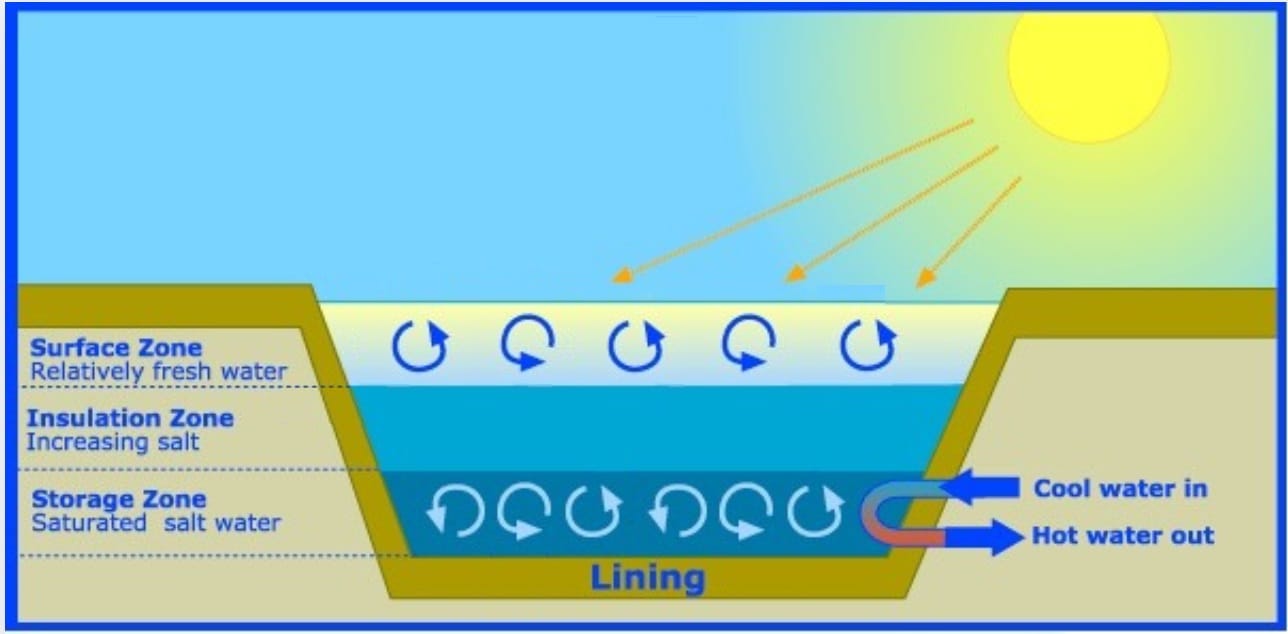
A solar pond is essentially a large-scale thermal energy collector and storage facility that utilizes a body of water with varying salt concentrations to trap solar radiation. Unlike conventional ponds where heated water rises and loses energy to the atmosphere through convection, solar ponds employ a salinity gradient to suppress this heat loss. Typically, a solar pond consists of three distinct layers:
The Importance of Temperature Profiling:
For the Saudi Arabian solar pond project, detailed temperature profiling of the concentrated brine was essential for several reasons:
Omni Instruments’ role was to provide a robust and reliable temperature monitoring system and controlling a pump to add water to the pond as evaporation lowered the water level, whilst maintaining the salinity levels. The whole system needed to be capable of withstanding the harsh environmental conditions in Saudi Arabia and accurately capturing the temperature variations at different depths within the solar pond. The data gathered by this system would be instrumental in advancing the understanding and practical application of solar pond technology as a sustainable energy solution in the region.