
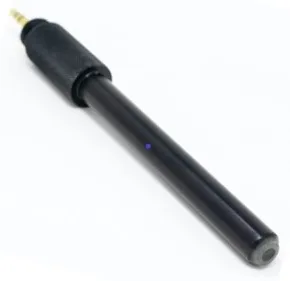
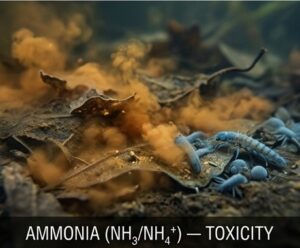
Ammonia in rivers, stemming from sewage outfalls and agricultural run-off, is highly toxic to aquatic life. Because its toxicity varies with pH and temperature, continuous monitoring is critical. Aquaread Ion Selective Electrodes (ISEs) provide precise, real-time field measurements of ammonium ions (NH4+), allowing environmental teams to immediately track pollution spikes and protect vulnerable river ecosystems from sudden ecological collapse.
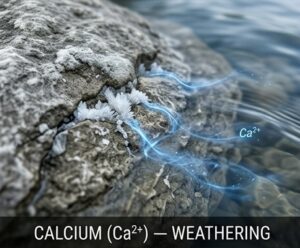
Heavy rain in hard water areas, excess industrial effluent or heavy agricultural liming, can significantly alter Calcium levels in rivers and other water courses. While essential for aquatic shells and plants, extreme fluctuations disrupt fish osmoregulation and induce scaling. Aquaread Ion Selective Electrodes (ISEs) continuously track these Ca2+ levels in real time. Utilising a robust solid-state membrane, these probes seamlessly log data to catch pollution spikes before ecosystems fracture.
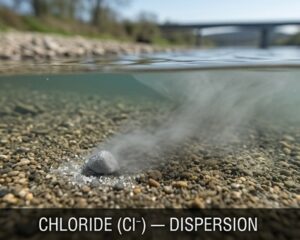
Chloride pollution in rivers, primarily driven by winter road salting, industrial discharges, and agricultural run-off, elevates water salinity and threatens freshwater biodiversity. Aquaread Ion Selective Electrodes (ISEs) provide a durable solution for continuous in-situ monitoring. By generating real-time data on Cl- ion concentrations, these probes enable rapid detection of Chloride spikes, protecting fragile aquatic ecosystems from severe ecological degradation.
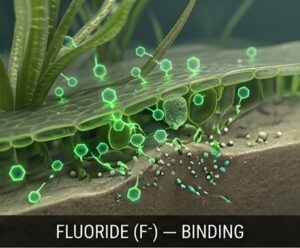
Fluoride pollution in rivers, originating from industrial glass manufacturing, Aluminium smelting, and municipal wastewater, poses a severe hazard to aquatic skeletal health. Aquaread Ion Selective Electrodes (ISEs) deliver crucial, real-time tracking of these F- ion levels directly in the water column. This continuous field data allows researchers to rapidly detect hazardous spikes and safeguard vulnerable river ecosystems.
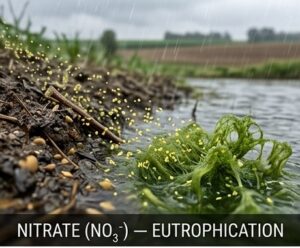
Nitrate pollution in rivers, primarily driven by agricultural fertiliser run-off and sewage discharge, fuels aggressive algal blooms that deplete dissolved Oxygen. Aquaread Ion Selective Electrodes (ISEs) offer a reliable solution for continuous, in-situ monitoring. By delivering real-time data on NO3 concentrations, these advanced probes allow environmental teams to catch nutrient spikes early, protecting aquatic habitats from severe ecological disruption.