
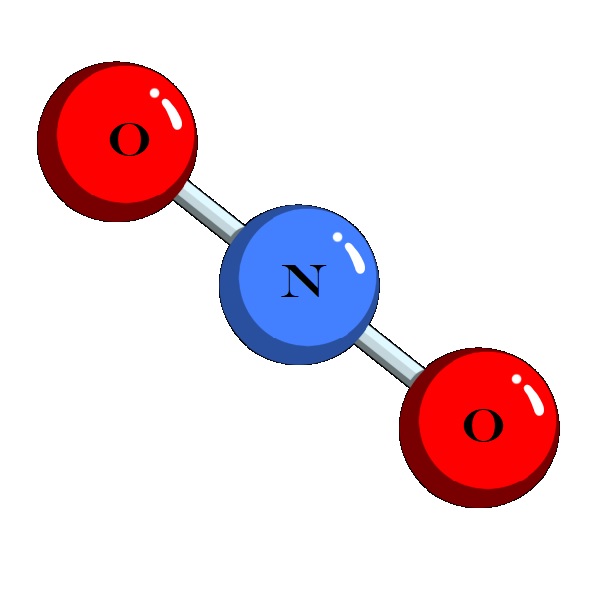
Description
Nitrogen Dioxide
Introduction of Nitrogen Dioxide
Nitrogen Dioxide (NO2) is a chemical compound that forms in the atmosphere from Nitric Oxide (NO) and whose emissions come mainly from fossil combustion (especially from automotive engines). Considered one of the major pollutants on earth, it also contributes to the acidification of natural environments by producing “acid rain” that falls on the soil and plants.
Nitrogen Dioxide is part of the family of Nitrogen Oxides. It is present, in concentrated form, as a suffocating reddish-brown gaseous substance, with a sharp and pungent odour, 40 times more toxic than Carbon Monoxide (CO).
Use of Nitrogen Dioxide
NO2 is generally used in liquefied compressed gas cylinders in many professional environments:
- Electricity generation;
- Mining;
- Electronics industry;
- Chemistry;
- Automobile;
- Agriculture.
Risks of Nitrogen Dioxide (NO2)
Nitrogen Dioxide is a toxic gas that has significant health effects on humans when inhaled. Exposure to NO2 may notably impair lung function. This is because the gas enters the deep respiratory tract, weakening the lining of the lungs, especially in young children.
Non-flammable and non-explosive, however, Nitrogen Dioxide is a powerful oxidizer capable of causing combustions and explosive mixtures if in contact with many other chemical compounds.
The dangers related to NO2
- Significant inflammation of the respiratory tract;
- Bronchial hyperactivity in people with asthma and sensitive people;
- Fragilization of pulmonary mucous membranes, especially in young children;
- Irritation of the eyes, nose and throat.