
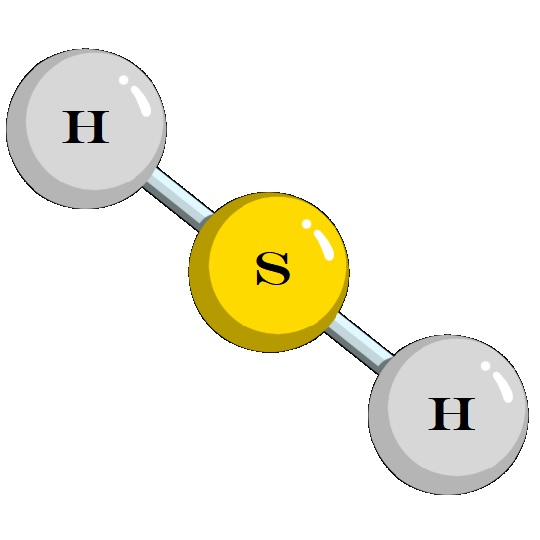
Description
Hydrogen Sulphide (H2S)
Hydrogen Sulphide (H2S) is a gas composed of Hydrogen and Sulphur. Naturally present on earth, H2S is derived from volcanic emissions, hot water sources and the decomposition of organic or bacterial materials (especially in sewage treatment plants). Hydrogen Sulphide is also present in crude oil and natural gas.
Hydrogen Sulphide is a colourless gas, that is distinguished by its strong stale egg like odour. Weakly soluble in water, it reacts with basic aqueous solutions and metals such as silver or steel, including stainless steel.
Use of Hydrogen Sulphide (H2S)
Many professional fields currently use Hydrogen Sulphide:
- Chemical industry;
- Agriculture;
- Water treatment industry;
- Metallurgical;
- Automotive/ aeronautics;
- Gas industry;
- Pharmaceutical industry;
- Mining.
Sectors operating in confined spaces are also particularly concerned by the risks associated with excessive Hydrogen Sulphide concentration.
Risks of Hydrogen Sulphide
Hydrogen Sulphide is a gas that is highly toxic by inhalation and is extremely flammable. Also very toxic to aquatic organisms, H2S may explode under the effect of heat.
The health hazards of Hydrogen Sulphide (H2S)
When inhaled, Hydrogen Sulphide can cause cellular hypoxia (lack of oxygen supply to the body’s tissues) and asphyxia. In high concentrations, its effects can lead to death within minutes. Symptoms of H2S poisoning are many: cough, chest pain, tachycardia, dizziness, headache, nausea, loss of consciousness, coma., etc. Recurrent exposure to low concentrations can also slightly affect the respiratory tract and mucous membranes of the eyes.