Description
Chlorophyll is the green pigment found in plants, and it’s vital for photosynthesis. Measuring the chlorophyll concentration in water is important to estimate the abundance of phytoplankton. If a high level of chlorophyll is detected, it is an indication that a high level of phytoplankton is present in the water.
Why Does Chlorophyll Monitoring Important?
Monitoring chlorophyll levels is a vital part of water quality management and ecosystem health assessment:
- Algal Bloom Indicator: High chlorophyll levels are a strong sign of increased phytoplankton growth, often leading to algal blooms. While some algae are natural, excessive blooms can be harmful.
- Nutrient Pollution: Elevated chlorophyll often correlates with high levels of nutrients like nitrogen and phosphorus in the water. These nutrients, frequently from agricultural runoff or wastewater, act as “fertiliser” for algae.
- Ecosystem Imbalance: Large algal blooms can lead to eutrophication, a process where decaying algae consume large amounts of dissolved oxygen (DO), creating “dead zones” that harm fish and other aquatic life. They can also reduce water clarity, impacting submerged aquatic vegetation.
- Early Warning System: Sudden spikes in chlorophyll can provide an early indication of pollution events or imbalances in the water system.
- Trophic Status: Chlorophyll measurements help determine the trophic status of a water body (e.g., oligotrophic, mesotrophic, eutrophic), indicating its overall productivity and nutrient enrichment level.
How Chlorophyll Sensor Work
A chlorophyll sensor measures the concentration of chlorophyll based on its fluorescence properties. It operates by emitting a specific wavelength of light, typically in the blue spectrum (e.g., around 470nm), into the water. This light excites the chlorophyll molecules present in phytoplankton, causing them to re-emit light at a different, longer wavelength (e.g., greater than 630nm) – a process known as fluorescence. A dedicated detector then measures the intensity of this emitted fluorescence, which is directly proportional to the amount of chlorophyll present in the water, providing an accurate and real-time measurement.
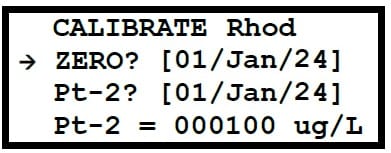
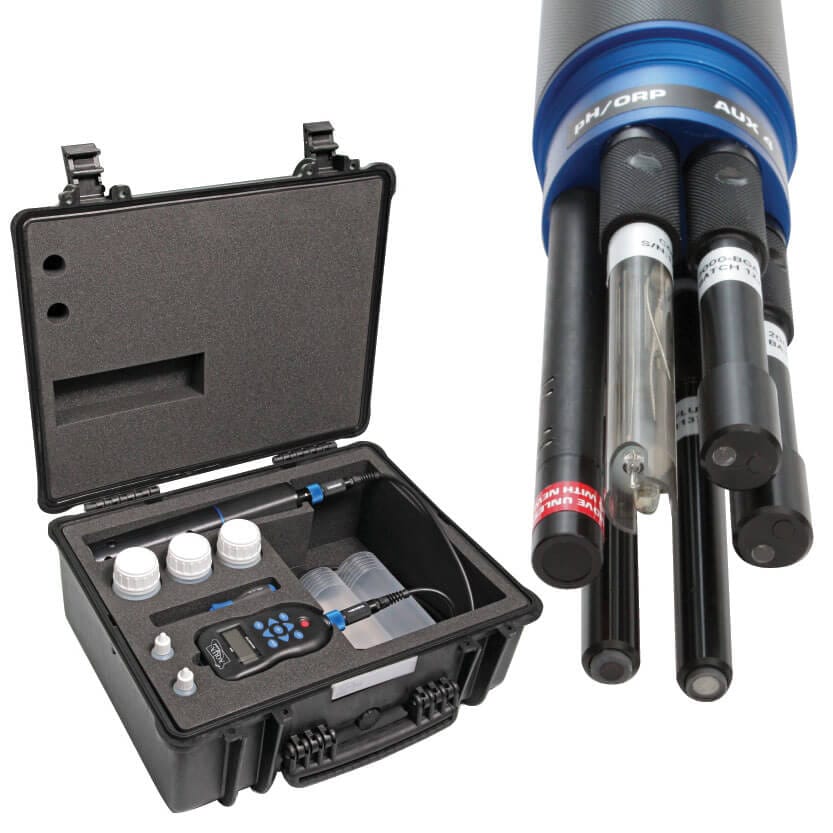
To use Aquaread’s chloropyll sensor, first install it into the AP-5000 probe, then perform a calibration using a 500µg/L calibration solution of fluorescent dye known as Rhodamine WT. This can be prepared from a 200g/L solution with deionised water. Please refer to the manual for the correct way to prepare this solution.
When to use the sensor
Chlorophyll monitoring is a highly valuable practice for various applications, offering near real-time data collection:
- Environmental Research: Researchers widely use chlorophyll meters to detect the presence and relative changes in phytoplankton biomass, helping to identify temporal and vertical patterns in water bodies.
- Nutrient Management: Phytoplankton populations respond quickly to nutrient inputs, making chlorophyll an effective parameter for detecting pulsed nutrient pollution that might be missed by less frequent nutrient sampling.
- Algal Bloom Prediction & Management: Early detection of rising chlorophyll levels allows for proactive management of potential harmful algal blooms, which can impact water quality, recreational use, and aquatic life.
- Construction & Development Projects: Similar to turbidity, monitoring chlorophyll before, during, and after large-scale building works near waterways helps establish baseline conditions and demonstrate compliance with environmental regulations by proving no adverse effects on the aquatic system.
- Drinking Water Management: In drinking water reservoirs, chlorophyll monitoring is essential for identifying nuisance algal blooms early. These blooms can clog filtration systems or affect taste and odor, making early detection a priority for treatment plants.
- Fisheries & Aquaculture: Maintaining healthy chlorophyll levels is crucial for supporting the aquatic food web, impacting fish populations and aquaculture operations.
5000-CPHYLL Electrode
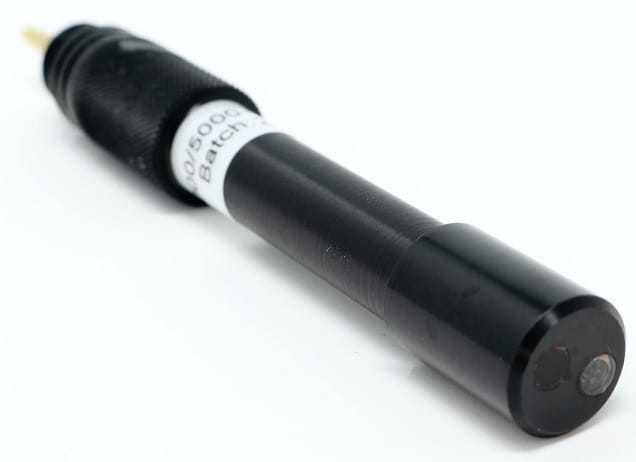
The 5000-CPHYLL electrode is a Chlorophyll sensor designed for connection with the AP-5000 water quality probe from Aquaread. It is a fixed response fluorometer, meaning it excites the chlorophyll in the water at a fixed wavelength (470nm) and then measures the subsequent emitted fluorescence (>630nm). The electrode induces the chlorophyll to fluoresce, then measures the longer wavelength light which is emitted as a result of the fluorescence process.